
Tower Card Game | Tower on 30jili link
A focused cards Game guide for careful climbs, clear choices, and mobile play.
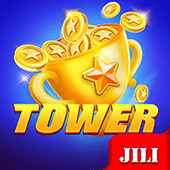
Tower is a compact cards game built around sequential decisions: choose a level, read the visible risk, and decide whether to continue or secure the current result. The Tower Demo idea is useful for learning that rhythm before making a real-money choice.
For players looking for 30jili link Tower, the practical answer is simple: start with the rules, set a session limit, and use the official access button below rather than an unverified copy.
These nearby cards options can help a new player compare pace and decision style without leaving the same promotional route.


Tower gives card players a measured climb
Tower is a level-by-level cards experience rather than a long table session. Each round asks the player to evaluate the next step, accept the displayed risk, and choose between continuing the climb or stopping. That clear loop is the main reason a Tower Demo can be helpful: it lets a learner observe the interface, timing, and stop point without confusing entertainment with guaranteed profit.
The core appeal of Tower is control over pace. A short Tower session can be paused after one decision, while a longer session can be divided into small checkpoints. Players searching for 30jili link Tower should treat each checkpoint as a separate decision, not as proof that the next card or level must produce a particular outcome.
Tower keeps the decision loop visible
In a typical Tower round, the interface presents a starting point and a route upward. The player reviews the card or level information, selects the next action, and watches the result. A careful Tower Demo review focuses on where the risk indicator appears, where the cash-out or stop control sits, and how the history is displayed. These details matter more than decorative effects when learning the game.
A useful mental model for Tower is a sequence of independent choices. A previous success does not make the next choice safer, and a previous loss does not make a win due. Keep that distinction in mind when opening 30jili link Tower on a phone, because fast taps can otherwise turn a measured card game into an emotional chase.
Tower comparison factors for a card session
The best choice depends on the player's intended session, not on a promise of a fixed result. Compare Tower with another cards Game by checking pace, information, decision frequency, and the ease of stopping. This approach gives a new visitor a useful answer before opening the lobby.
Tower pace
Tower suits a player who prefers short, visible steps. A Tower Demo can show how quickly one decision leads to the next.
Information
Look for readable levels, clear outcomes, and a stop control. Good information supports a calmer Tower routine.
Exit points
Compare how easily you can end a round. A deliberate stop is central to a responsible Tower plan.
Budget fit
Choose a stake that matches a fixed entertainment budget before you begin a Tower Demo or live session.
Players who want broader platform guidance can read the 30jili Link Features guide, then return to Tower with a clear comparison checklist. The point is not to find a universally best cards Game; it is to find the format whose speed and controls match your own limit.
Compared with a familiar table game, Tower puts more emphasis on the next visible step. Compared with a fast one-tap game, Tower encourages a pause between decisions. A Tower Demo is therefore most useful when the player actively compares those two sensations instead of measuring a short-term score.
How Tower works from the first card to the stop point
The direct answer is that Tower is learned one decision at a time: open the game, review the displayed level, make a permitted card choice, inspect the outcome, and stop or continue according to the plan you set before play. A Tower Demo should be used to understand this sequence, not to predict future results.
- Check the screen: Confirm that the name says Tower, the cards Game controls are readable, and the displayed stake is the amount you intended.
- Set the boundary: Decide how many minutes and how much entertainment budget belong to this session before selecting the first level.
- Read before tapping: Review the available card or tower information. Do not rely on a previous outcome as a shortcut for the next Tower decision.
- Choose one step: Make the smallest deliberate action available, then wait for the result rather than tapping repeatedly.
- Evaluate the result: If the round reaches a planned checkpoint, consider stopping. If it does not, accept the outcome without raising the stake to recover it.
- Close cleanly: Record the session impression and leave the game when your time or budget boundary is reached.
Using this sequence makes a Tower Demo educational: you can notice card labels, transitions, and stop controls in a low-pressure setting. When you later access 30jili link Tower, repeat the same sequence instead of changing the plan because of excitement.
The interface should be treated as a decision aid, not as a forecast. Tower outcomes remain uncertain, so a visible pattern is not evidence that the next level must be favorable. This simple rule protects the clarity that makes the cards Game approachable.
Play Tower when your plan is ready
Have you checked the rules, selected a limit, and decided when to stop? Use the official route to open Tower and explore the Tower Demo experience on a mobile-friendly screen.
This action opens the site's promotional access in the same way as the rest of the 30jili link interface. It is not a replacement for reading the rules or setting a personal budget.
Can Tower fit a quick mobile break?
Yes, Tower can fit a short mobile break when the player chooses a fixed stopping point before opening the game. A ten-minute learning session can focus on the layout and one or two measured choices; it should not become an invitation to extend play after the planned time. The right answer for a busy player is to use a Tower Demo or stop the live round when attention is no longer steady.
Tower for a first-time visitor
A first-time visitor should begin by checking the title, card labels, stake controls, and result history. If any element is unclear, pause and look for the relevant help information rather than guessing. The 30jili Link Tournaments page can explain a different competitive format, but a short Tower session should remain focused on learning the decision loop.
Tower for a returning player
A returning player can use a written session rule: one budget, one time window, and one stop signal. That rule helps separate a normal Tower choice from the urge to chase a result. A Tower Demo remains valuable after the first visit because it refreshes the controls without encouraging a larger stake.
Tower when the connection is distracting
If the mobile connection, surroundings, or mood makes it hard to read a card decision, do not continue. Close the session and return another time. The purpose of 30jili link Tower is accessible entertainment with clear choices, not rushed tapping during a distraction.
Use this Tower checklist before choosing a level
A fast pre-session checklist gives the clearest decision answer: if every item is true, the player understands the setting; if any item is false, pause before starting Tower. This is more reliable than chasing a high point from a previous round.
- Identity: The page shows Tower and the correct cards Game image.
- Purpose: You are playing for entertainment and practice, not treating Tower as income.
- Budget: The amount is affordable, fixed in advance, and not borrowed.
- Time: A start and finish time are written down before the first choice.
- Controls: You know where the next card action and the stop or exit control appear.
- Mindset: You can accept either outcome without increasing a stake to recover a loss.
- Device: Your phone is private, updated, and connected well enough to avoid accidental taps.
For a second comparison, a player can view Mines Gold and ask whether its risk display feels easier to understand than Tower. That comparison should inform a preference, not suggest that either game is predictable. If the answer to the budget or mindset item changes, close the Tower Demo and take a break.
After a session, write down what happened without labeling a result as “due.” This small habit helps a Tower player keep separate records for time, stake, and outcome. It also makes the next 30jili link Tower visit more intentional.
Tower details that improve a calm decision
Tower is easiest to understand when every visual element has one job. The level indicator should tell you where you are, the card area should show the immediate choice, and the result state should make it clear whether the round continues or ends. When a Tower Demo has been completed, the player should be able to explain those three states in plain language.
Do not confuse a higher tower position with a guaranteed improvement. A higher position can mean a different risk choice, but it cannot remove uncertainty from the next card. This is the central reading skill for the cards Game and the most useful idea to carry into 30jili link Tower.
Reading Tower feedback
Use the history and outcome message to review what happened, then reset your attention before the next round. If the game displays a celebratory animation, let it finish and confirm the actual result. The same careful pause belongs in a Tower Demo and a real session.
When reviewing Tower, compare usability rather than making unsupported performance claims. A comfortable font size, obvious buttons, and a readable stop state are meaningful features for a phone user. They do not change the mathematical uncertainty of the game, but they can reduce avoidable input mistakes.
Responsible use of 30jili link Tower
Keep account details private, use only the site's normal login route, and never install an unknown file offered as a shortcut to 30jili link app download. If you are searching for 30jili link link access, check the address carefully and avoid copied messages. These habits protect the account independently of the outcome of a Tower round.
Ready to review Tower one step at a time?
Use the guide, check the decision list, and open the Tower Demo only when your session boundary is clear.